SHOWLINK / Cross-border & E-commerce Logistics
From supplier stock
to overseas shelves.
International replenishment for e-commerce sellers, marketplace shipments and overseas warehouse inventory by ocean, air and express.
Understand the service
What this service means for your shipment.
Cross-border e-commerce logistics connects supplier readiness, international transport and the destination’s receiving process. The shipping plan should reflect both inventory timing and the warehouse or marketplace requirements.

Customer fit
When to consider this option.
- Marketplace sellers replenishing fulfillment-center stock.
- Online brands shipping to overseas warehouses.
- Cross-border trading businesses comparing bulk and urgent replenishment.
Service scope
Agree the full movement, not just one leg.
- Supplier pickup and shipment consolidation when agreed.
- Ocean, air or express transport selected around stock priorities.
- Customs and importer responsibilities specified in the offer.
- Warehouse or fulfillment-center delivery with applicable receiving arrangements.
Cargo preparation
Start with the actual cargo.
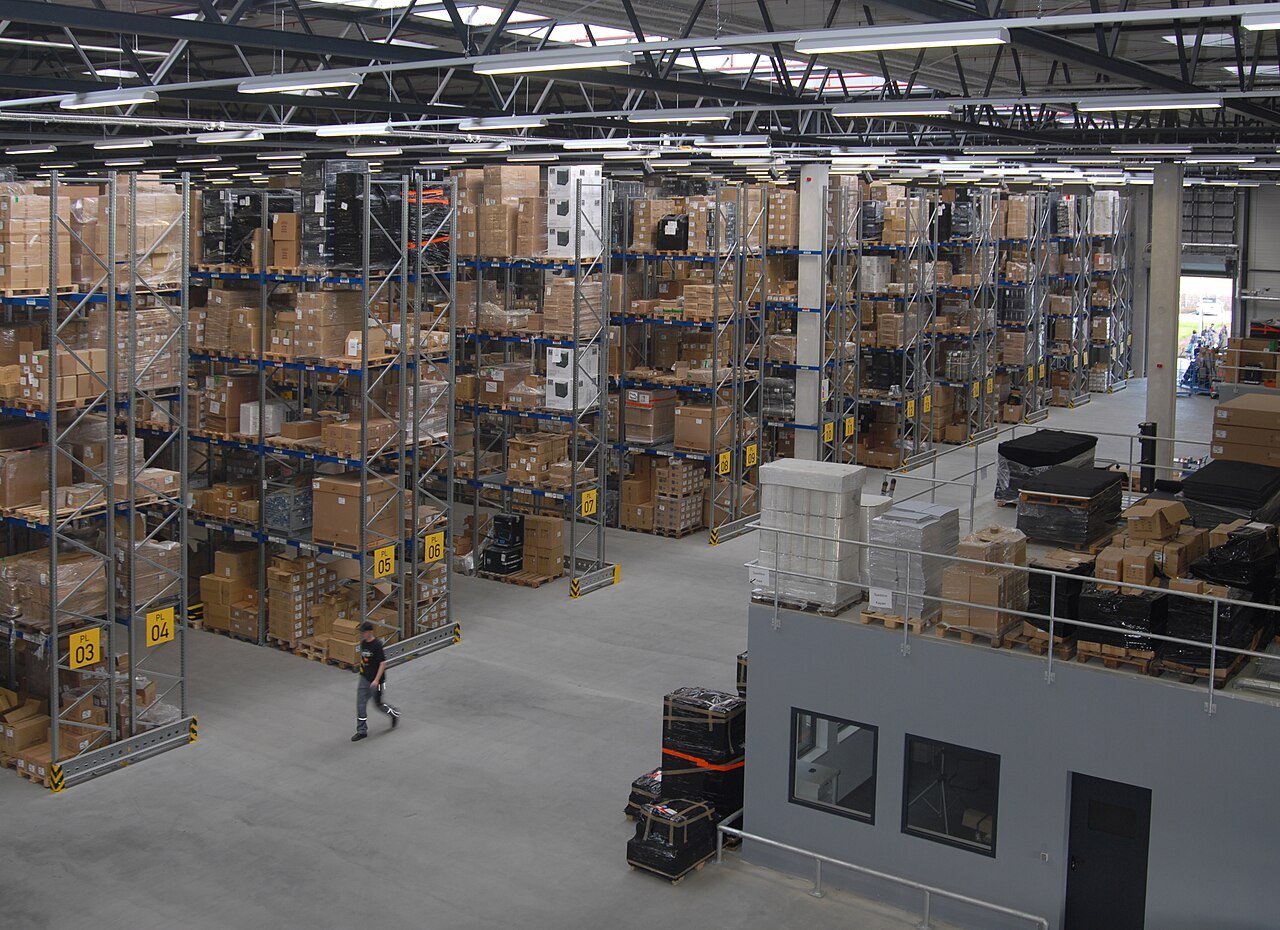
- Share the receiving warehouse or fulfillment-center address.
- Provide shipment references, carton labels and pallet instructions when applicable.
- Confirm quantities, SKU information and packing before handover.
From inquiry to delivery
A practical sequence for your shipment.
01 · Share the shipment
Send origin, destination, product description, packing details and cargo-ready date. Include your required delivery date if there is one.
02 · Compare the plan
Review transport options, quoted scope, indicative schedule, destination charges and the responsibilities of each party.
03 · Prepare & book
Confirm the selected offer, documentation, pickup arrangements and any cargo-specific requirements before booking.
04 · Move & coordinate
Follow agreed shipment milestones and coordinate customs and the receiving appointment where required.
05 · Complete delivery
Confirm delivery status and retain shipment documents. Raise any discrepancy promptly with the supporting shipment details.
Documentation
Prepare consistent shipment information.
Provide invoice and packing-list details, product information, shipment references and receiving instructions. Marketplace labels do not replace commercial shipping documents.
Keep names, quantities, weights, values and product descriptions consistent across the commercial documents. Tell us about changes before the shipment is booked.
Freight quotation
Understand what drives the cost.
The total depends on shipment size, mode, packing and label work, customs scope, receiving destination and any delivery appointment or special-handling requirements. Compare the full supply-chain movement rather than international freight alone.
- Ask for the rate validity and cargo assumptions.
- Confirm origin, destination and final-delivery inclusions.
- Review potential storage, waiting or exception charges.
Scheduling
Plan around the complete journey.
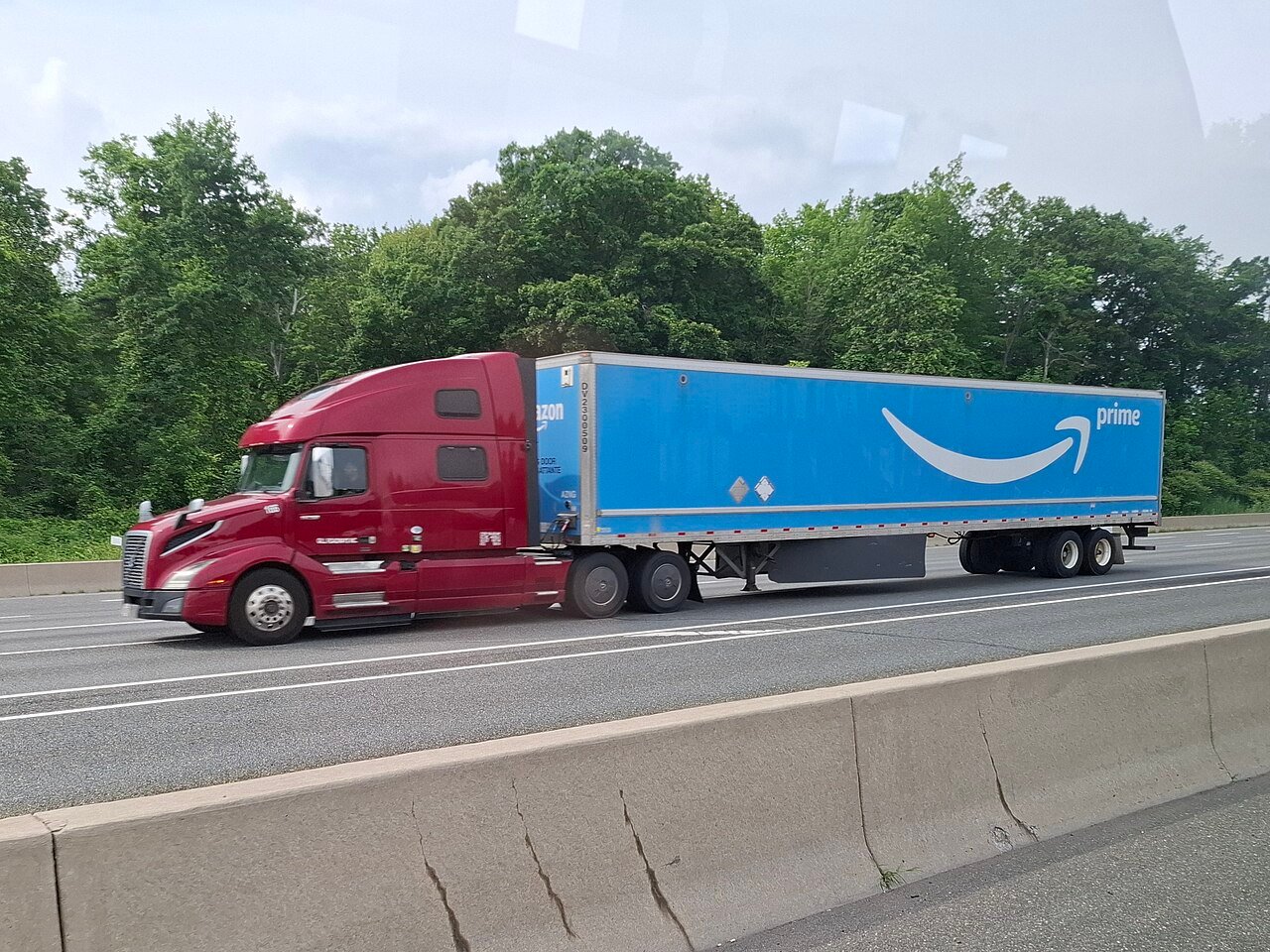
Plan around the date stock must become available, not just when it reaches the destination country. Warehouse appointments and inventory check-in are separate from international transport.
Provide the cargo-ready date and the date the consignee needs the goods. Schedules and prices are confirmed for the specific booking.
Global markets
Europe, USA, Australia, New Zealand — and beyond.
United States
Ocean freight, air cargo, express and commercial delivery. Tell us the destination ZIP code, consignee type and whether delivery is to a warehouse, store or fulfillment center.
Europe & United Kingdom
Specify the destination country and postal code. The EU and UK are separate customs territories; the importer, tax responsibilities and delivery scope must be clear.
Australia
Plan commercial freight around the destination, packaging, commodity and receiving arrangements. Share wood-packaging and product details when requesting a quotation.
New Zealand
Compare ocean, air and express options for your shipment size and deadline. Product, packing and consignee details are reviewed before the route is confirmed.
Other global markets
SHOWLINK also handles worldwide logistics inquiries. Send the exact origin and destination so we can check available transport modes, local requirements and final delivery.
Before booking
Common questions, practical answers.
Do you handle Amazon FBA-related shipments?
SHOWLINK accepts marketplace replenishment inquiries. Share the fulfillment-center address, shipment references, carton or pallet specifications and importer arrangements for review.
Should I use air or ocean for replenishment?
Compare inventory urgency, order size and the complete transport cost. A planned ocean shipment and a smaller urgent air shipment may address different stock needs.
Is customs clearance included?
It depends on the quotation and agreed responsibilities. Confirm who acts as importer and how duties and taxes are handled.
Logistics operations / In focus
A closer look at the logistics operation.
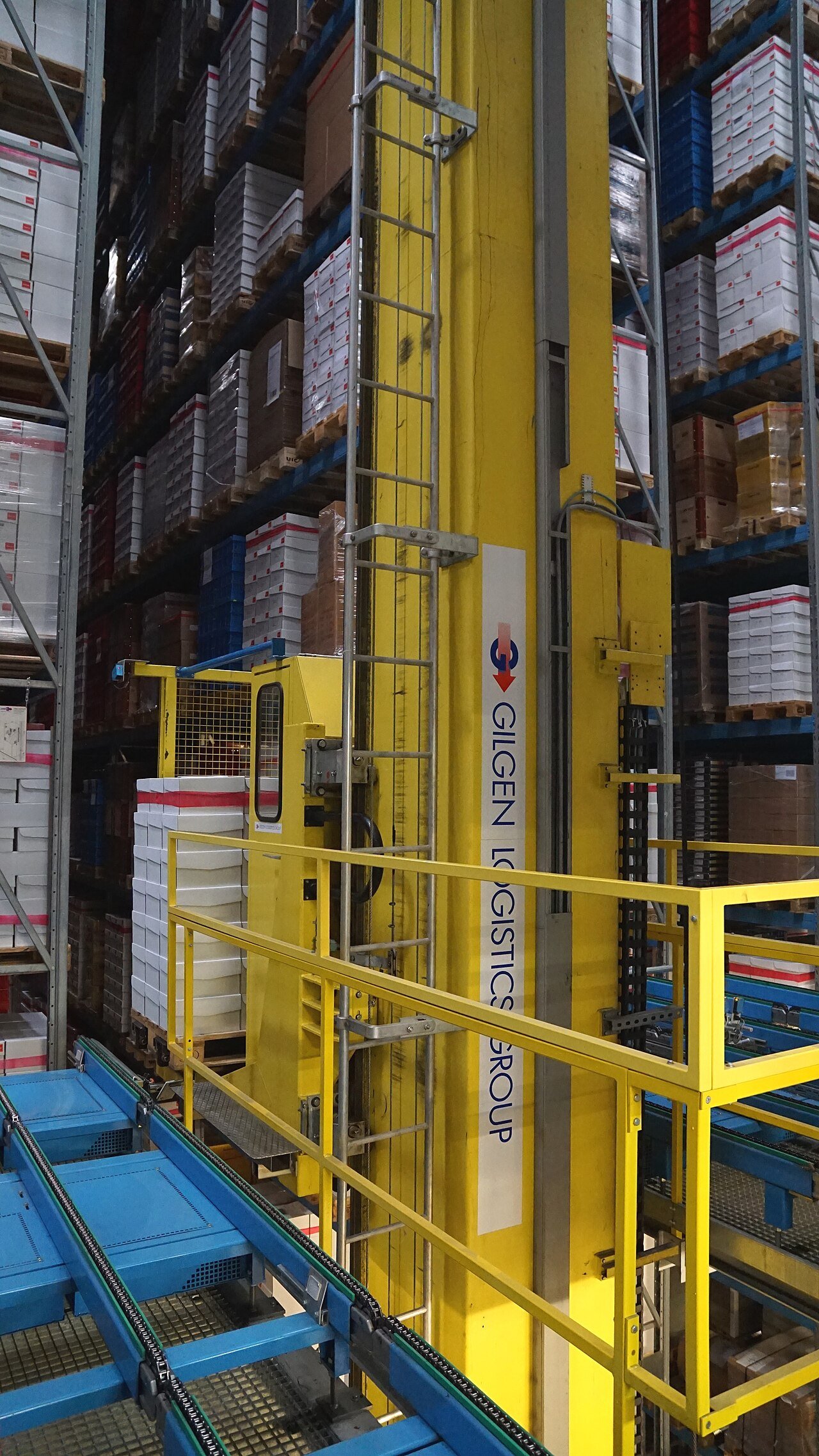
Discuss handling, equipment and handover requirements before booking. The written quotation defines the confirmed service and responsibilities.
Discuss my shipment ↗Compare / Make an informed choice
Choose around the cargo and the deadline.
OCEAN
Larger planned stock movements
Compare complete origin and destination costs.AIR
Time-sensitive replenishment
Review chargeable weight and airport / door scope.EXPRESS
Smaller commercial consignments
Check parcel dimensions and destination surcharges.The best option depends on actual packing details, acceptance, total cost and the required delivery date.
Quotation / Know the complete scope
Four parts of a freight quotation.
ORIGIN
Collection · handling · export scope
MAIN CARRIAGE
Ocean · air · express
DESTINATION
Clearance scope · handling · taxes if agreed
FINAL DELIVERY
Address · appointment · access
Compare what is included, excluded and payable at destination.
Check my shipment scopeLet’s plan your shipment
Tell us what needs to move.
Start with the shipment facts. We will review the route, transport mode and delivery scope before preparing your quotation.
Attach packing lists and product specifications by email after your inquiry. Do not send passwords, payment-card details or unnecessary personal documents.